It’s up to the sector to make the FPS work and failure is not an option. Ian MacQuillin says fundraisers will be damned if they do and damned if they don’t.
Continue reading OPINION: Dare you pick up the poisoned chalice of the FPS?
Critical Fundraising is the blog of Rogare – The Fundraising Think Tank. www.rogare.net
It’s up to the sector to make the FPS work and failure is not an option. Ian MacQuillin says fundraisers will be damned if they do and damned if they don’t.
Continue reading OPINION: Dare you pick up the poisoned chalice of the FPS?Ian MacQuillin rewinds the clock to wonder what would have happened if the government had proposed establishing the Fundraising Preference Service while the lobbying bill was going through parliament.
Continue reading OPINION: The lobbying bill and the FPS – a counterfactualThe full findings of Rogare’s review of relationship fundraising will be published on 26 January 2016 and available as PDF downloads from a website that’s currently under construction.
Continue reading NEWS: Rogare’s relationship fundraising review to be published in January 2016Concerns that fundraisers’ fears about the Fundraising Preference Service (FPS) are not being adequately represented have led to research consultancy nfpSynergy and fundraising think tank Rogare to host a forum for fundraisers to express their views.
Continue reading NEWS: nfpSynergy and Rogare to provide fundraisers with forum to discuss FPSThe results of Rogare’s survey of fundraisers’ opinions on proposed regulatory reform to fundraising, especially the provision of the Fundraising Preference Service, are now available to download.
Continue reading NEWS: Survey reveals fundraisers’ attitudes to the Fundraising Preference Service
The current debate about charity regulation is progressing without listening to the voices of one of its most important stakeholders. Zoë Bunter asks why no-one is considering what the effect will be on beneficiaries.
Continue reading OPINION: Where is the voice of the beneficiary?Fundraisers’ views on how their profession should respond to the proposed Fundraising Preference Service are being sought by Plymouth University’s fundraising think tank, Rogare.
Continue reading NEWS: What should the fundraising profession do about the Fundraising Preference Service?Fundraisers’ sense of themselves as moral individuals is damaged by having to make the difficult ethical decisions they encounter every day in their jobs, new research conducted by Plymouth University’s Centre for Sustainable Philanthropy (CSP) has revealed.
Continue reading KNOWLEDGE: The effect of ethical decision making on fundraisers’ sense of moral identityThe fundraising sector’s response to the proposed Fundraising Preference service has been ‘pathetically’ limp. Adrian Sargeant says all those who are endorsing it without any evidence that it is needed should feel ashamed.
Continue reading OPINION: Shame on those who are supporting the Fundraising Preference ServiceThe largest survey of donors and lapsed donors ever conducted in the United Kingdom has found high levels of trust in charities and high levels of satisfaction with the service donors receive.
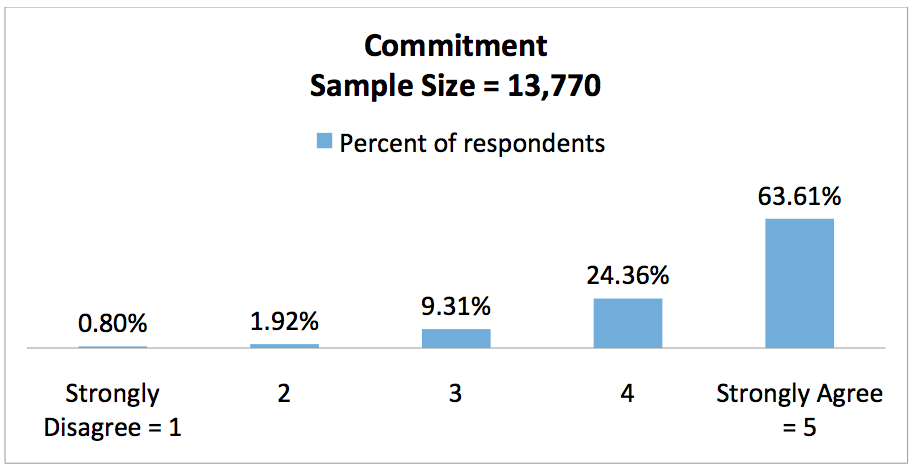
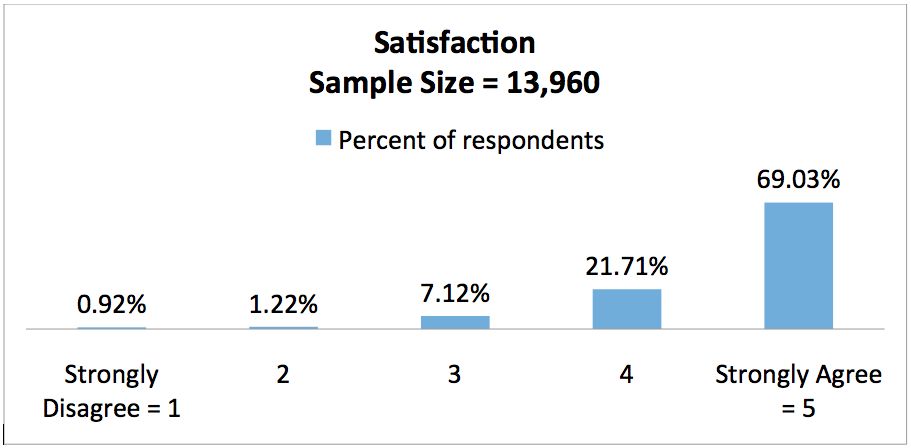
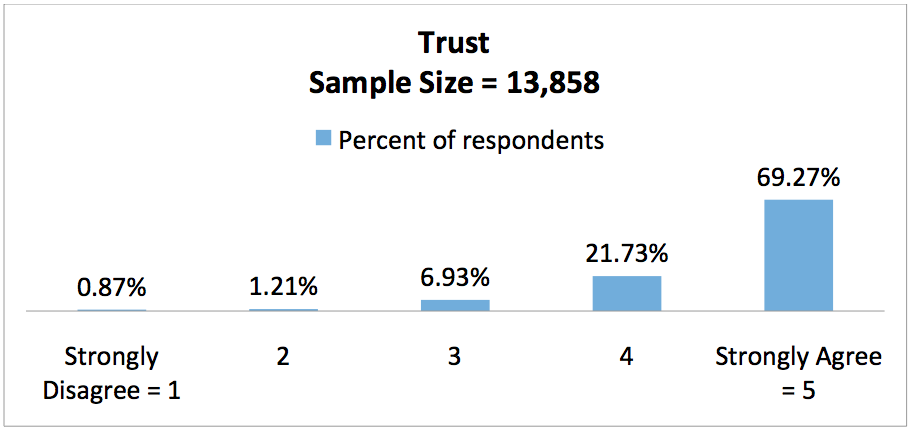
Topline figures from the research – conducted by the Centre for Sustainable Philanthropy (CSP) and consultancy About Loyalty, and presented for the first time today [22.10.15] at the International Fundraising Congress in the Netherlands – reveal that:
The survey was carried out between June and September at the height of fundraising’s ‘summer of discontent’ following the suicide of Olive Cooke (which was wrongly attributed to ‘aggressive’ fundraising) and the media and political storm that followed.
Director of the CSP Professor Adrian Sargeant, who led the research, says the results do not reflect how fundraising has been portrayed by the media and politicians in recent months. Professor Sargeant says:
“We would expect the timing and design of our survey to over-estimate negativity in the response. Given that background, the results that we report here are excellent. We find no evidence of a widespread dissatisfaction with the quality of service provided by fundraisers and indeed find to the contrary. Donors are overwhelmingly satisfied with how they are treated.
“Despite the news media highlighting recent examples of bad practice this would in no way appear to be representative of our practice.”

Professor Sargeant also says the kind of evidence presented in this research that should inform changes to fundraising regulation and practice of the kind being proposed in Sir Stuart Etherington’s review of self-regulation and other new initiatives.“
“The overwhelming experience of donors in our sample is positive, with high levels of passion being articulated for the causes we studied,” Sargeant says. “If there are to be further changes to the oversight of fundraising in this country, those changes should be based on evidence.”
Around 1.1 million donors and lapsed donors to five charities were emailed the survey, with around 14,000 analyzable responses. Participants were sent a series of statements relating to each construct of commitment, satisfaction and trust, with which they were asked to agree or disagree on a scale.
Roger Lawson of About Loyalty says:
“Charities need to start taking retention and loyalty seriously. For too long we have lagged behind the commercial world in our understanding of what builds the loyalty of our donors, choosing instead to focus on short-term income and increasingly expensive donor acquisition.

“If we’re going to take this seriously as a sector we need to have a way to measure loyalty and we need to know what drives loyalty for different donors. This ground-breaking research gives us this – never before have we been able to see how satisfaction, commitment and trust come together to give an overall loyalty score, how that differs for different charities and even within different segments.
“As this research continues, and tracks behaviour over time, it will give us the rationale to invest now in building greater donor loyalty in the knowledge that it will lead to greater retention and income in the future.”
The About Loyalty research was set up by Roger Lawson, Jim Baggett and Professor Adrian Sargeant to help charities measure loyalty. It is the first research of this kind that tracks both emotional loyalty (how someone feels about the charities they support) with behavioural loyalty (how long they continue to give for). The research will enable charities to benchmark the loyalty of their donors against those of other charities, as well as understanding what different factors drive loyalty for different charities and donors.
 Critical Fundraising